Experienced and Professional Problem Gambling Counselling in Your Area
Shannon M. Simms Insight Counselling & Consulting is a specialist in behavioural addictions, and Problem Gambling is her niche area.
A contractor for 21 years with Gambling Support BC until they made changes to their service delivery in 2026, she has 2 decades of experience working with individuals, couples, and families, as well as facilitating Cognitive Behavioural Therapy (CBT) and Dialectical Behaviour Therapy (DBT) groups. She’s also developed and facilitated workshops on ‘Rebuilding Relationships in Recovery’ and ‘Exploring Ones Relationship with Money’. As a Qualified Insolvency Counsellor she brings a specialized knowledge of money and finances to her problem gambling work.
If you are concerned about your own gambling, or that of someone else, check out this blog post for signs that gambling is becoming a problem: http://simmscounselling.com/index.php/2020/11/20/online-habits-including-gambling-on-the-rise-during-covid-19/
Behavioural Addictions: A Hijacked Brain
In my work I find the biggest challenge is people not understanding how a behaviour can become a problem, or an addiction. Most understand how substances can become addictive, but not behaviours. Addiction researchers love to study gambling addiction, because it is considered a ‘pure’ addiction – there is no substance involved, only brain chemistry, the brain essentially becomes addicted to itself.
For people struggling with a gambling problem, the ‘problem’ is more complicated than a matter of ‘will-power’ or simply choosing not to gamble. As a species wired for survival, we have a tendency to get hooked on things that can be very harmful to us. One reason for this is related to the brain pathways that get hijacked when behaviours become addictions, pathways related to learning, memory, pleasure, reward, and motivation. Over time, with repeated exposure to a robustly rewarding/pleasurable experience, our brain circuitry can get hijacked into believing that gambling is just as important to our survival as eating or breathing. And yes, this does mean that almost anything deeply enjoyable can turn into an addiction. Of course not everyone becomes addicted, because brains have preferences, just like not everyone who drinks will become an alcoholic. Researchers are still working on this great mystery, of who gets addicted and why, and there are many factors involved: biology, genetics, individual psychology, social psychology and our environment, to name a few.
In my work, I believe education is an essential part of the process, understanding how a behaviour becomes a problem – this offers clients an opportunity to see the problem in a different way, helps them move away from some of the guilt and shame they may be feeling, and allows us to team up against this powerful problem.
An example – notice how your body knows how to breath all by itself. Try not breathing for 5 minutes. You may use every ounce of will-power you have, but eventually the automatic nervous system will over-ride your conscious attempt at control, and an unconscious survival process kicks in to generate that next breath, as hard as you may try to fight it. Features of addiction are located in the same regions of the brain connected to our survival drives, thus one of the hallmarks of addiction is loss of or impaired control over the behaviour. This does not mean that once we’ve developed an addiction there’s nothing we can do about it, instead it’s similar to learning that we have diabetes or asthma – now that we know the vulnerability, where does one’s power and responsibility lie, how do they manage the problem.
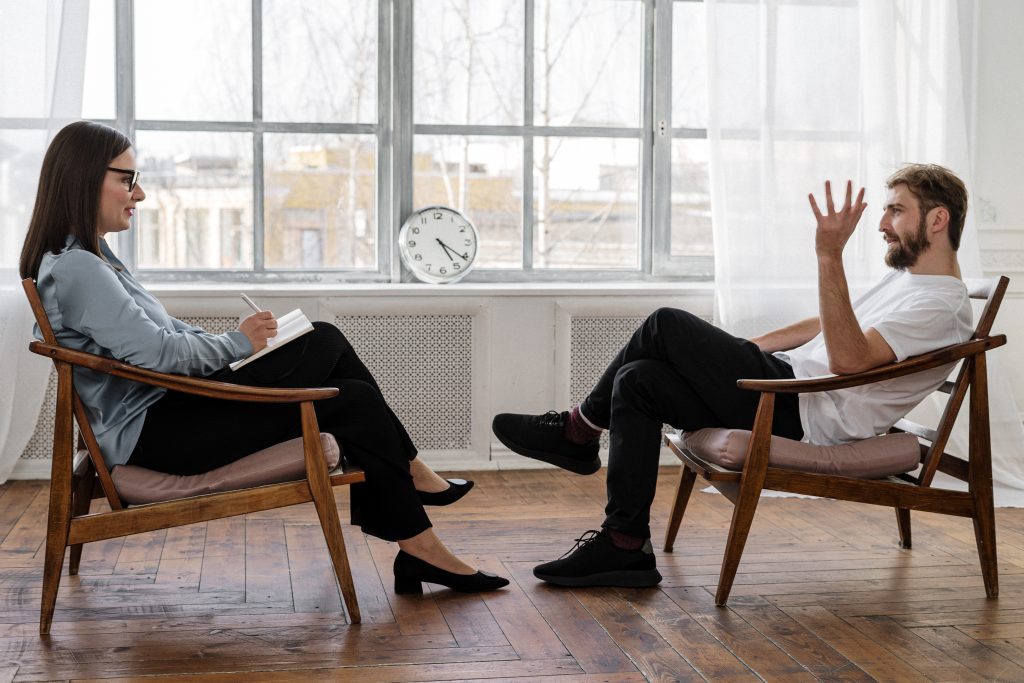
And that’s where counselling can be helpful. I couldn’t do this work if I didn’t see people make change, that doesn’t mean change is easy (if it was I wouldn’t have a job), but it does mean change is possible. I’ve worked with people who struggle with alcohol, drugs, and gambling, all of them report the gambling was the hardest to stop, and research supports this. Part of the reason is how gambling operates on the brain – the intermittent, variable reinforcement schedule – people know a win will come, they just don’t know when, or how much it will be, which sets up a form of psychological entrapment – they don’t want to leave/quit, because a win could be just around the corner. And generally, the more people play, the more they will pay.
Are You Curious ? Interested in Connecting to Talk more about this Crafty Problem ?
Shannon is located in the Walnut Grove area of Langley, near 200th Street and Highway 1. She is also easily accessible to those in Pitt Meadows, Maple Ridge, Mission, Port Kells, Surrey, Cloverdale, Aldergrove, and Abbotsford. Shannon also offers remote options, both phone and video counselling, so your location is actually not a barrier to accessing services. If you are interested in connecting, or would like more information, feel free to reach out: 604-888-9294 or shannon@simmscounselling.com
A note about counselling: people who seek support often recover faster than those who go it alone. Participating in groups is completely optional, and in my experience the group process can help to normalize one’s experience of the problem, recognizing they are not alone, and finding some hope, hearing from people who have come out the other side of the problem, what works, so you don’t have to reinvent the wheel. Group also provides an opportunity to connect with other high functioning, intelligent, supportive people who understand the problem in a different way than family and friends, because they have traveled a similar path. Recovery is a very individual process, what works for one is not necessarily going to work for another, but the more resources a person is aware of and has access to, the greater their chance of breaking free from the grips of the problem behaviour.
GROUPS:
Here are some groups that could be worth checking out, some are In-Person, many are still online:
- Gamblers Anonymous: in person, phone and online meetings: Here’s information: https://www.gabc.ca/meetings OR https://www.gamblersanonymous.org/ga/content/about-us
- Gamblers in Recovery: online meetings at multiple times 7-days/week: https://gamblersinrecovery.com/
- Recovery Road Online: online meetings at multiple times 7-days/week: https://recoveryroadonline.com/
- Smart Recovery: in person and online meetings at multiple times 7-says/week: https://meetings.smartrecovery.org/meetings/?coordinates=100&location=vancouver
- Friends Helping Friends: Open Facebook group that offers a daily meeting: https://www.facebook.com/groups/1047338839310921/
- The Broke Girl Society: Open Facebook forum and group with a focus on women impacted by gambling problems: https://www.facebook.com/groups/1520878581449100/
- Celebrate Recovery: in person and online meetings – biblically based recovery program: https://www.celebraterecovery.ca/canadian-groups/
- Recovery Dharma: online Buddhist based recovery program: https://recoverydharma.org/find-a-meeting/
FOLD EM PODCAST
My amazing Problem Gambling colleague Adrienne Cossom created a podcast shortly after Covid started in 2020, she created content for about 4 years, 92 30-minute episodes on a multitude of topics, check them out here: https://www.gamblingproblemhelp.ca/fold-em-podcast